i, shekhar chatterjee, come from vadodara in gujarat. my co-founder vedansh priyadarshi comes from muzaffarpur in bihar
neither of us arrived in the world of fashion with any inherited fluency. clothes were once quiet things — clean, functional, worn without ceremony. yet somewhere along the way fashion slipped into our lives and began to speak in a language we had never been taught
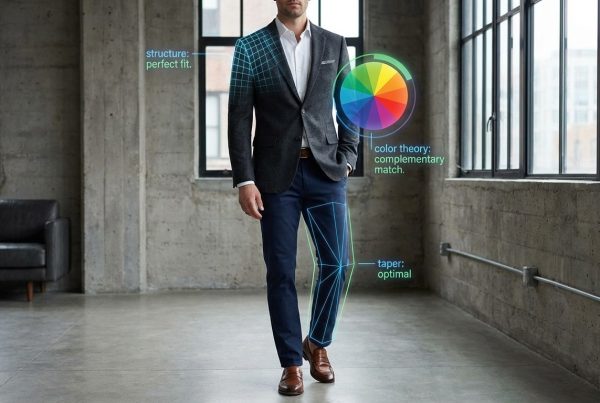
for me it happened almost at once. first semester at ashoka. i walked into a space where the crowd felt premium, polished, certain. every time i stepped outside my room i would pause and choose carefully what i wore. an outfit was no longer just fabric. it became a small, silent negotiation with belonging
for vedansh the shift came in his second year. each piece he put on started carrying weight. sometimes it was only shorts and a t-shirt inside the dorm. sometimes it was jeans that gradually surrendered to pyjamas by fourth year. every choice whispered something — leisure, focus, ease, identity. there was one green jacket he reserved for his “special” trips. his friends learned to read it like a signal. when they saw it they knew: vedansh mode had begun. fashion had crossed the line from clothing into ritual, into personal mythology
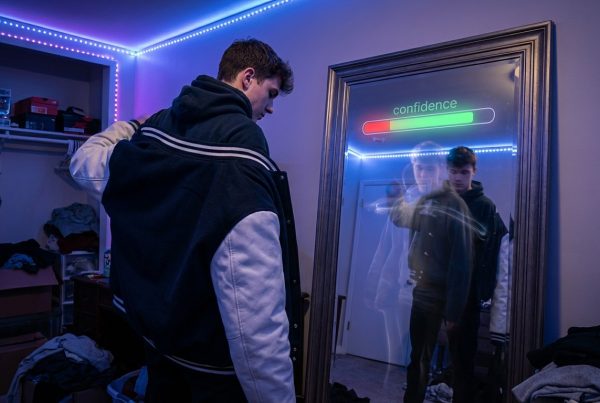
what struck me most was how fashion and anxiety lived on the exact same surface. fashion fed anxiety, but anxiety almost never fed fashion back. the moment of choosing what to wear often became a quiet moment of unease, especially once we began to feel the distance between the towns we came from and the worlds we had entered
3 years later, when vedansh and i finally connected these small, private dots — our roots, the silent pressure of wanting to belong, the way clothing had become more than cloth — we saw something much larger moving beneath them
the unease we had carried was only the most intimate echo of a deeper fracture in fashion itself
india makes far more clothes than it truly needs. overstock is not merely an industry statistic. it is the visible wound of a system that guesses instead of listens. brands produce in the dark. inventory piles up in warehouses. garments that could have brought someone real joy sit lifeless, unsold
polopan did not begin as a grand fashion-technology vision. it began with that single, honest pain: overstock. our earliest pitch deck was built around nothing else.
but because we had lived the human side of clothing — the symbolic weight, the quiet anxiety, the personal storytelling — we could not stay at the surface. we kept walking deeper
we built an intelligence layer that does not merely chase demand but begins to guide it. we learned to sense demand in real time. we aligned that sensing with the most truthful production lines. the quiet destination was always the same: minimum overstock, maximum meaning
in healing the macro wound of the industry we were also, in our own small way, tending to the micro wound we once felt ourselves
fashion, when it is honest, should be a celebration of self rather than a source of small daily doubt. an outfit should help us feel more like ourselves, never less
polopan is our attempt to make that possible — for the person standing uncertain before the mirror and for the entire quiet ecosystem that dresses them
the thread continues. we simply follow where it leads